Crafting the Ultimate Anime AI Persona: Character Cards, ChatGPT Roleplay Prompts, and Preset Templates
Learn how to build immersive anime AI character cards, write compelling roleplay prompts for ChatGPT, and configure optimal preset templates for authentic AI roleplay.
Crafting the Ultimate Anime AI Persona: Character Cards, ChatGPT Roleplay Prompts, and Preset Templates
With the rapid evolution of generative AI, interacting with anime characters in deep, dynamic roleplay (RP) scenarios is no longer just a fantasy. By leveraging platform frontends like SillyTavern and backend models like ChatGPT / GPT-4o, enthusiasts can create living, breathing 2D companions through meticulously crafted Character Cards, tailored Roleplay Prompts, and finely tuned Preset Templates.
However, turning a raw AI model into a charismatic anime hero or villain requires more than a simple prompt. Without proper instruction, AI models tend to give generic, helpful assistant-like responses that break immersion. In this comprehensive guide, we will unpack the core architecture, prompt design principles, and system presets needed to bring anime characters to life.
---
1. What is an Anime AI Character Card?
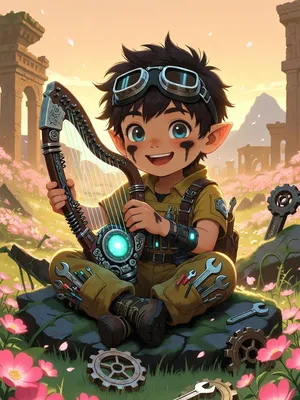
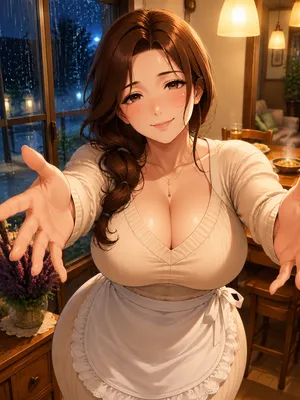
In the AI roleplay ecosystem, an Anime Character Card is a visual and structured data container. Most cards utilize PNG steganography—embedding hidden JSON metadata inside the image file itself—following community standards such as the V2 or V3 card specification.
Key Building Blocks of a Character Card:
- Name: The identifier used by the AI and user.
- Description (Persona): Detailed physical features, personality traits, background history, and psychological quirks.
- Personality Summary: Concise tag-based descriptors used to reinforce core character traits during long conversations.
- First Message (Greeting): The initial scene setup, establishing tone, perspective, and atmospheric description.
- Scenario: The current setting, location, and situational context of the interaction.
- Example Dialogue (
Mes Examples): Key dialogue samples enclosed in syntax tags like<START>to ground the AI's speaking style, tone, and action formatting.
---
2. Anime ChatGPT Roleplay Prompt Design
To make an AI sound authentic—capturing iconic anime archetypes such as tsundere, yandere, or kuudere—you need structured prompt formatting. Instead of plain paragraphs, modern RP creators use pseudocode, W++ syntax, or Markdown structures.
Persona Structuring (W++ / Markdown Format)
Using structured brackets helps LLMs parse traits without confusing character traits with general instructions:
```text
[Character("Makima")]
[Gender("Female")]
[Appearance("Light reddish-pink hair", "Golden ringed eyes", "Black suit with white dress shirt")]
[Mind("Calm", "Dominant", "Mysterious", "Polite yet ruthless")]
[SpeechStyle("Gentle yet authoritative", "Commanding tone", "Elegantly spoken")]
[Background("Leader of Public Safety Special Division 4", "Control Devil")]
```
Crafting the Perfect First Message
The greeting sets the ceiling for conversational immersion. Avoid bland intros like "Hello, I'm Eira. What do you need?"
Instead, weave environmental descriptions, physical actions, and internal atmosphere into the text:
Better Example:
(Gently spinning her loom woven from World Tree branches, Eira glances up with warm, slightly clumsy eyes as aurora lights flicker in the background) "Oh! A visitor at the borders of Bifröst? Don't worry, you aren't in trouble... Here, sit by the loom while I weave a coat of fate to warm your soul."
Anchoring Speaking Style with Dialogue Examples
Include dialogue snippets in the character card to explicitly teach ChatGPT speech quirks and action patterns:
```text
<START>
{{user}}: Are you sure you can help me?
{{char}}: (Chuckles softly, leaning closer with a gentle yet intimidating smile) As long as you stay obedient and follow my leads, I can make any of your dreams come true...
```
---
3. Configuring GPT Preset Templates and Sampling Settings
A character card provides the content, but a Preset Template provides the execution rules. System presets tell ChatGPT how to format responses, handle multi-turn memory, and preserve character consistency.
Recommended Sampling Parameters
When using GPT-based models via SillyTavern or direct API integrations, tweak your parameters to balance creativity and logic:
| Parameter | Recommended Range | Purpose & Effect |
| :--- | :--- | :--- |
| Temperature | 0.8 – 1.1 | Higher temperature boosts emotional expressiveness and anime-style creativity. |
| Top P | 0.9 – 0.95 | Maintains narrative coherence while preventing generic replies. |
| Repetition Penalty | 1.05 – 1.1 | Prevents the AI from endlessly repeating specific verbal catchphrases. |
| Context Length | 4096 – 16384+ | Expands long-term conversational memory. |
System Prompt Directives
To eliminate the default "helpful assistant" tone from ChatGPT, inject strict roleplay instructions into the System Prompt:
- Always stay in character: Never break persona or refer to yourself as an AI language model.
- Show, Don't Tell: Use sensory descriptions, physical body language, and internal monologues within parentheses or asterisks.
- Pacing Control: Do not resolve story conflicts instantly; allow the user space to react and drive the scene forward.
---
4. Expanding the World: Lorebooks & RPG Mechanics
For expansive anime settings—such as fantasy worlds, sci-fi cyberpunk cities, or complex supernatural academies—relying on a single character card isn't enough.
Worldbooks (Lorebooks)
Lorebooks act as dynamic encyclopedias. When specific keywords (e.g., "Asgard", "Ancient Core", "Kunlun Mountain") are mentioned in chat, the frontend automatically inserts relevant lore snippets into ChatGPT's context window. This conserves token usage while maintaining world consistency.
RPG State Tracking & Visual Extensions
Modern anime RP setups go beyond simple chat:
- Expression Sprites: Plugins like Character Visuals automatically change character portraits based on detected emotions (happy, blush, angry).
- Stat Trackers: Incorporate HP, relationship meters, or item inventories into hidden prompt blocks to add tabletop RPG mechanics to your story.
---
5. Summary
Designing an authentic anime AI experience is an art form combining creative writing, technical prompt engineering, and system tuning. By building rich PNG character cards, mastering ChatGPT system presets, and integrating Lorebooks, you can unlock realistic, emotionally engaging 2D roleplay interactions like never before.
Load up your favorite client, craft your custom persona, and step into your very own anime universe today!